
Mattress Recycling Laws in the USA: A Closer Look
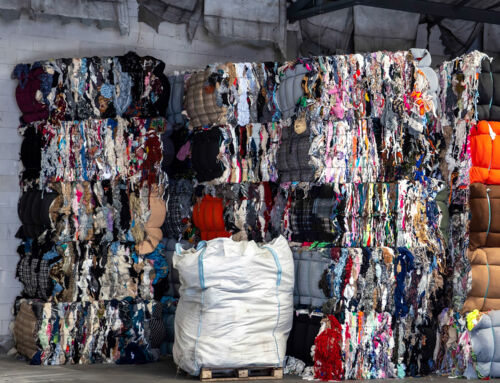
Over 15 to 20 million mattresses are being thrown away each year in the United States of America—coming from both commercial and residential properties. Each mattress also occupies approximately 40 cubic feet of landfill space. This continues to be a widespread issue in the country as improper mattress recycling does significant environmental impact such as:
- Taking up a lot of space in landfills. Mattresses are very bulky, large items that decompose very slowly (on average, a traditional spring mattress can take around 80 to 100 years) and occupy a large space for many years.
- Contributes to environmental pollution. As mattresses decompose, they release volatile organic compounds (VOCs), flame retardants, and heavy metals—which are harmful chemicals and gases. These can contaminate groundwater and soil and pose risks to ecosystems and ultimately, human health.
- Greenhouse gas. When foam and fabric decompose, they produce methane that contributes to global warming.
- Wasting resources and possibly recycled materials. Many valuable materials make up a mattress such as mental springs, wood, steel, foam, and even the bed frame. Upon recycling, these mattress components are dismantled, made into new products, or put to better use instead of being disposed of and wasted.
- Illegal dumping. When mattresses are dumped in unauthorized areas, their bulk adds to landfills or remains exposed in open spaces, contributing to long-term environmental challenges.
All of these (and more.. read more about why you should recycle your mattress here) have prompted a closer look at how we dispose of them, with a focus on recycling.
And in response, several states have already established strict mattress recycling laws, which makes compliance not just a matter of environmental responsibility but a legal necessity. Ignoring these state laws could lead you to pay severe penalties. Here’s a closer look at the mattress recycling laws in the USA.
- California (Used Mattress Recovery and Recycling Act)California passed the Used Mattress Recovery and Recycling Act in 2023. This law regulates used mattresses for mattress retailers and manufacturers in the state through mattress recycling.
Mattress retailers in California are required to collect a recycling fee at the time of purchase for every mattress or box spring sale. They should also offer consumers pick-ups for old/used mattresses upon the delivery of a new one. Manufacturers, on the other hand, are required to be registered with the Mattress Recycling Council (MRC) and comply with operational standards.
- Connecticut (Public Act 13-42)As the pioneers in USA mattress recycling, Connecticut’s law passed in 2013 set the stage for similar programs in other states. Similar to California, retailers in Connecticut are required to collect a recycling fee ($9 per unit) for every new sale of mattresses and box springs. The Mattress Recycling Council (MRC) regulates this program.
While penalties and legal obligations only fall on retailers, consumers are highly encouraged by the state to practice and utilize recycling programs available to them.
- Rhode Island (General Law 23-90)Rhode Island’s mattress recycling law took effect in May 2016. As in California and Connecticut retailers must collect the recycling fee ($20.50 per unit as of January 2024) and are obligated to participate in the recycling program. Manufacturers must ensure their products are lawfully recycled.
The federal government has not mandated mattress recycling. However, the Environmental Protection Agency (EPA) highly encourages mattress recycling initiatives and proper mattress disposal to reduce waste. Their success may hopefully provide a blueprint that could inspire further action across the country. California, Connecticut, and Rhode Island continue to recycle approximately 2 million mattresses annually.
These laws are also great examples of Extended Producer Responsibility (EPR) in action. This makes the mattress industry, its manufacturers, and retailers part of the solution, ensuring they take responsibility for what happens to new mattresses after they’re sold.
- OregonIn March 2022, Oregon enacted Senate Bill 1576, establishing a statewide mattress recycling program to reduce waste and promote sustainability. This is managed by the Mattress Recycling Council Program and begins on January 1, 2025. It will be funded by a $22.50 per unit stewardship fee applied to each mattress and foundation sold in the state.
Under this law, manufacturers, retailers, importers, distributors, and renovators of mattresses intended for use in Oregon are required to register with the MRC.
Retailers must collect the stewardship fee at the point of sale and display it as a separate line item on receipts or invoices.
Why Mattress Recycling Laws Aren’t Mandated Nationwide
Despite the large environmental impact of discarded mattresses, the United States has yet to adopt federal laws mandating mattress recycling. This is because different states have varying waste management policies and priorities, making it difficult to implement a one-size-fits-all federal law.
However, some states like North Carolina, Colorado, Tennessee, Utah, and Washington have local mattress recycling programs through organizations like Spring Back Recycling.
New York also has many mattress recycling initiatives such as the NYCHA Mattress Recycling Program, Renewable Recycling Inc, and the Bye Bye Mattress Program.
There are also companies like A Bedder World in Chicago that offer curbside mattress pickup and recycling services.